Stored Power Ready When You Need It
Solar Energy Storage in Spring Valley for homes generating more electricity than they use during peak production hours
Photovoltaic arrays often produce maximum output when household demand is lowest, leaving surplus electricity with nowhere to go unless a storage system captures it. Geezus Renewable Solutions installs solar energy storage that retains generated electricity for later use, letting you draw from stored reserves during evening hours or when grid supply becomes unreliable. Properties with properly sized battery systems shift from exporting unused power to maintaining their own on-site reserve, which changes how you experience outages and time-of-use billing.
Battery integration involves connecting storage units to your existing solar inverter and electrical panel, configuring charge and discharge parameters based on your consumption patterns and backup priorities. The system monitors production and load in real time, directing surplus energy into the battery bank until capacity is reached, then switching to grid export or curtailment depending on local utility rules. Spring Valley and San Diego area properties with older electrical panels may require service upgrades to handle bidirectional current flow and ensure safe disconnection during maintenance or grid failures.
Schedule a property evaluation to assess how storage capacity aligns with your current solar output and usage profile.
What Happens When Storage Integrates With Solar
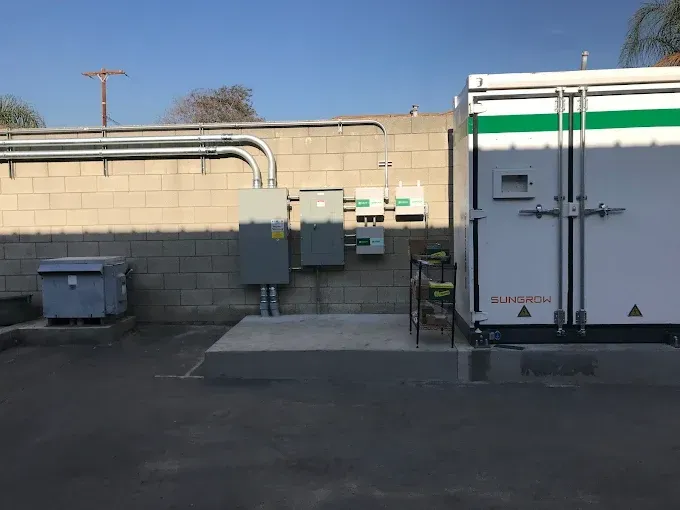
Installing a battery system means adding a cabinet-mounted unit near your main service panel, running conduit between the inverter and storage controller, and programming charge thresholds that match your energy goals. Installers verify that your inverter supports DC-coupled or AC-coupled battery connections, confirm that existing wiring can handle the additional load, and set parameters that prioritize either maximum self-consumption or backup duration during outages.
Once the system is commissioned, you stop losing surplus electricity during midday production peaks and instead build a reserve that powers lights, refrigeration, and essential circuits after sunset. Your meter no longer spins backward as much because stored energy replaces grid purchases during expensive evening rate periods, and you maintain power to critical loads when the utility goes down. Geezus Renewable Solutions configures monitoring so you can track state of charge, daily cycles, and how much grid power you avoid by drawing from the battery first.
Storage doesn't eliminate your grid connection or make you fully independent unless the system is sized and permitted for off-grid operation, which requires larger capacity, different inverter settings, and compliance with California's islanding protections. Most residential installations remain grid-tied, using the battery to shift solar energy across time rather than disconnecting entirely. Warranty coverage and cycle-life expectations depend on depth of discharge, ambient temperature inside the installation location, and how often the battery charges and depletes each day.
Questions Before Adding Battery Storage
Homeowners considering energy storage often want to understand compatibility, capacity planning, and what changes after installation.
What size battery do I need to cover evening usage?
Capacity depends on your typical after-dark load—lighting, HVAC, appliances—and how many hours you want to run before recharging from solar the next morning. Most residential systems range from ten to twenty kilowatt-hours, enough to handle moderate evening demand without draining the reserve completely.
How does storage work with my existing solar array?
If your inverter supports battery add-ons, integration is straightforward; older inverters may require replacement with hybrid models that manage both solar input and battery charge cycles. AC-coupled systems offer more flexibility with mixed equipment brands but add a second inverter stage, while DC-coupled setups are more efficient if all components come from compatible manufacturers.
Will the battery keep my whole house running during an outage?
Only circuits connected to the backup panel receive power when the grid is down, unless you install a system large enough to support your entire service load. Most installations prioritize refrigeration, lighting, communication devices, and one or two HVAC zones rather than attempting to run every appliance simultaneously.
What happens when the battery is full and solar production continues?
Excess energy either exports to the grid if your utility agreement allows it or the inverter curtails output to prevent overcharging, which is common in Spring Valley during spring months when production exceeds both household use and storage capacity combined.
How long does a battery system last before replacement?
Lithium-ion batteries typically retain eighty percent of original capacity after ten years or several thousand charge cycles, depending on how deeply you discharge them each day and the temperature conditions inside the installation enclosure. Warranty terms usually guarantee a minimum cycle count or throughput threshold, whichever comes first.
Geezus Renewable Solutions reviews your current solar production data, utility bills, and backup priorities to recommend storage configurations that match your energy-use goals. Arrange an on-site consultation to evaluate panel capacity, inverter compatibility, and installation space for battery cabinets.