
Electrical Systems Built for Business Operations
Commercial Electrical Services in Spring Valley for facilities requiring equipment circuits, lighting upgrades, or panel expansion
Commercial properties face distinct electrical demands compared to residential buildings—higher connected loads, three-phase power distribution, and equipment that operates continuously rather than intermittently. Geezus Renewable Solutions provides commercial electrical services in Spring Valley, El Cajon, La Mesa, or a surrounding area for businesses that need dependable electrical systems supporting lighting, equipment, circuits, panels, and facility improvements. The work addresses specific power requirements that vary dramatically between retail spaces, offices, light industrial facilities, and food service operations.
The service focuses on minimizing disruption by scheduling installations during off-hours when appropriate and coordinating with other trades to avoid conflicts that delay project completion. Load calculations account for demand factors specific to commercial occupancies, where diversity between circuits allows for more efficient panel sizing than simple addition of connected loads would suggest. The approach evaluates your facility's current and anticipated power needs before proposing circuit additions or service modifications.
Request an assessment to review your facility's electrical capacity and discuss planned equipment or operational changes.
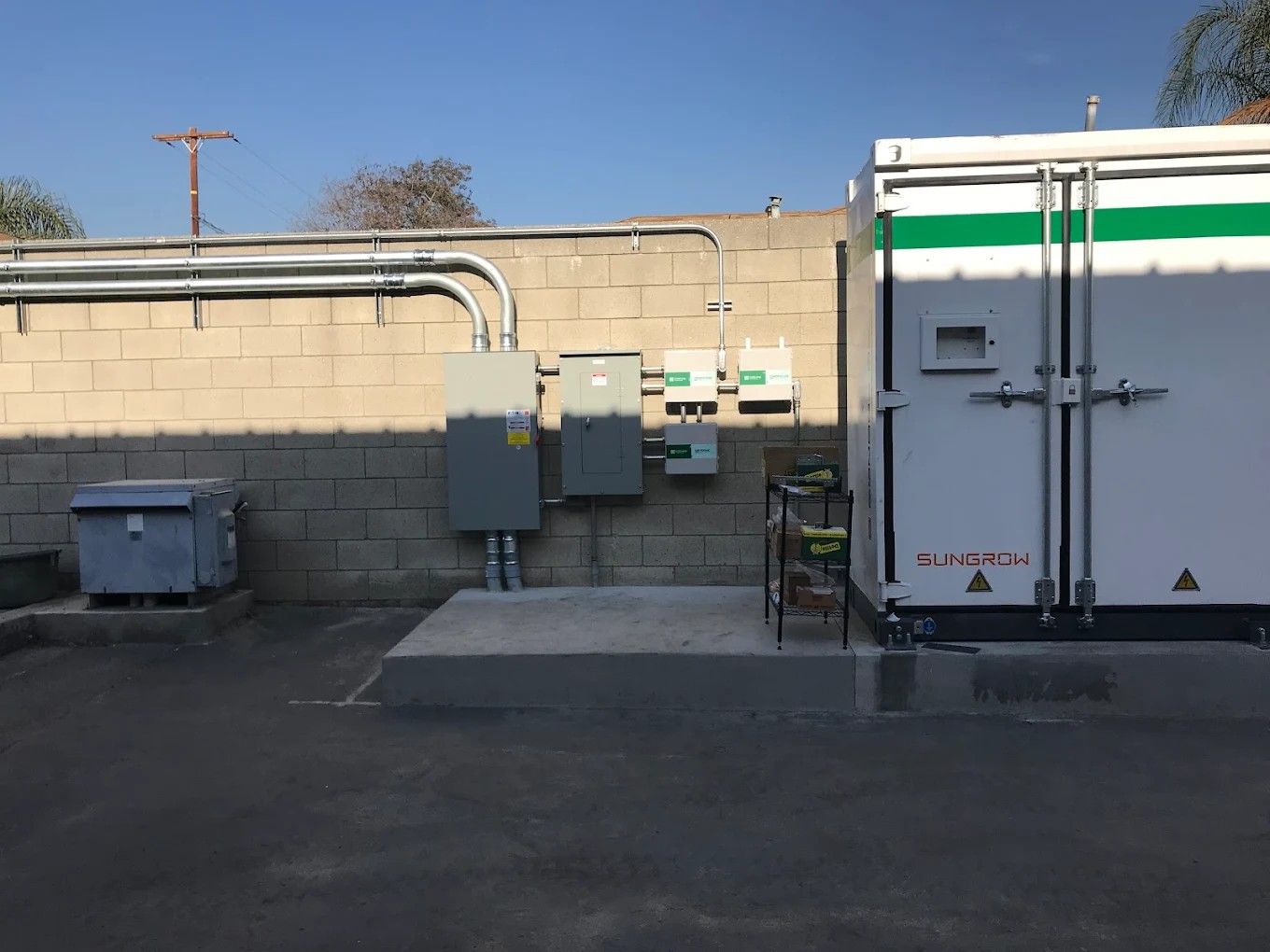
How Commercial Electrical Work Addresses Facility Requirements
Commercial electrical projects begin with understanding your operational requirements—equipment that must remain online during work, circuits that serve critical systems, and scheduling constraints imposed by business hours or tenant agreements. The planning phase identifies which portions of the electrical system can be de-energized without affecting operations and when downtime can be scheduled for work requiring full shutdowns. Some facilities operate continuously, requiring temporary power solutions during panel replacements or service upgrades.
Once installation is finished, your facility operates with circuits properly matched to equipment loads, eliminating nuisance trips that interrupt business operations. Lighting systems deliver consistent output without the flicker or premature lamp failure caused by voltage irregularities, and equipment runs within manufacturer voltage specifications rather than at the margins that shorten motor life. Panel directories accurately reflect circuit assignments, simplifying troubleshooting when electrical issues arise and reducing diagnostic time during service calls.
Commercial electrical work includes coordination with building management, other contractors, and inspection authorities to maintain project schedules and meet occupancy requirements. The scope varies significantly between tenant improvements in existing buildings and ground-up construction, with different code requirements applying to each situation. Projects in older buildings sometimes require upgrades to existing infrastructure before new circuits can be added safely.
Common Questions About Commercial Electrical Projects
Business owners and property managers typically want to understand project timing, disruption management, and what commercial electrical work involves.
What's included in a commercial electrical assessment?
The evaluation covers current service capacity, panel condition and available space, circuit loading and balance across phases, code compliance of existing installations, and whether infrastructure can support planned additions without upstream modifications.
How is business disruption minimized during electrical work?
Scheduling happens around operational requirements, with installations phased to maintain power to critical circuits, temporary power provided when necessary, and work concentrated during hours when facility usage is lowest or equipment can be safely shut down.
When does a commercial facility need an electrical upgrade?
Indicators include frequent breaker trips during normal operations, plans to add equipment that exceeds available circuit capacity, visible deterioration of panels or wiring, or expansion projects that increase building load beyond current service rating.
What differs between commercial and residential electrical requirements?
Commercial work involves three-phase power distribution, higher fault current ratings requiring different overcurrent protection, emergency lighting and exit sign circuits, and more stringent code requirements for wire management, box accessibility, and installation methods in commercial occupancies.
How do Spring Valley's commercial electrical projects account for ongoing energy costs?
Proper circuit sizing reduces transmission losses that waste power as heat, correctly balanced three-phase loads prevent efficiency losses from phase imbalance, and lighting controls that match current code requirements significantly reduce operating costs compared to older continuously-energized systems.
Geezus Renewable Solutions handles electrical installations and upgrades for commercial facilities in Spring Valley and neighboring communities. Arrange a consultation to determine what your property requires and receive a project estimate based on your specific operational needs and facility conditions.